“Tomorrow’s winners embrace both product and production innovation”
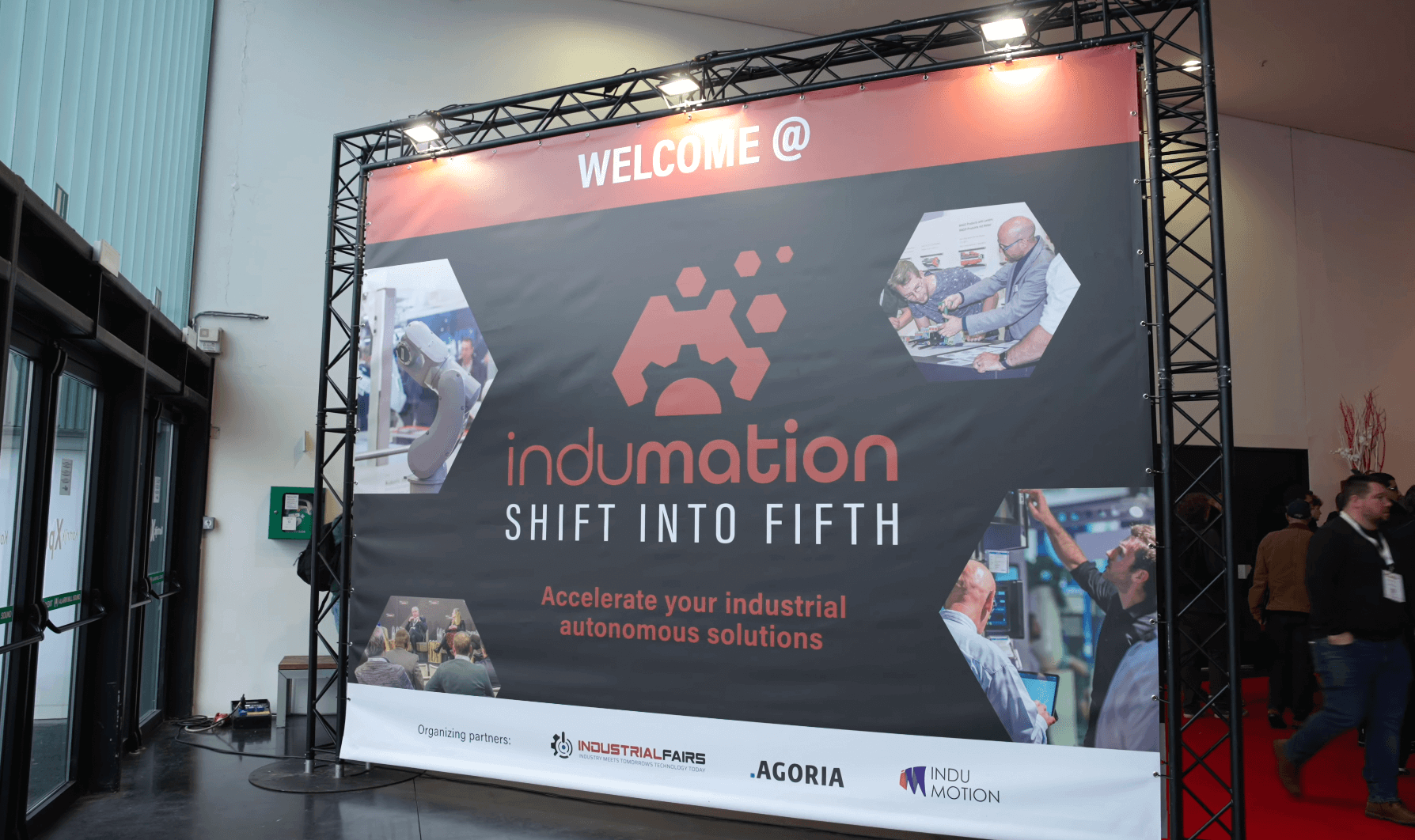
Indumation 2026: it’s a wrap! Relive the highlights from Kortrijk through our recap in words, photos, and video. And watch our director Timen Floré explain why product and production innovation go hand in hand.
Indumation is the premier event for the industry in the Benelux. As a machine developer, we demonstrated to manufacturing and production companies how we support their production innovation.

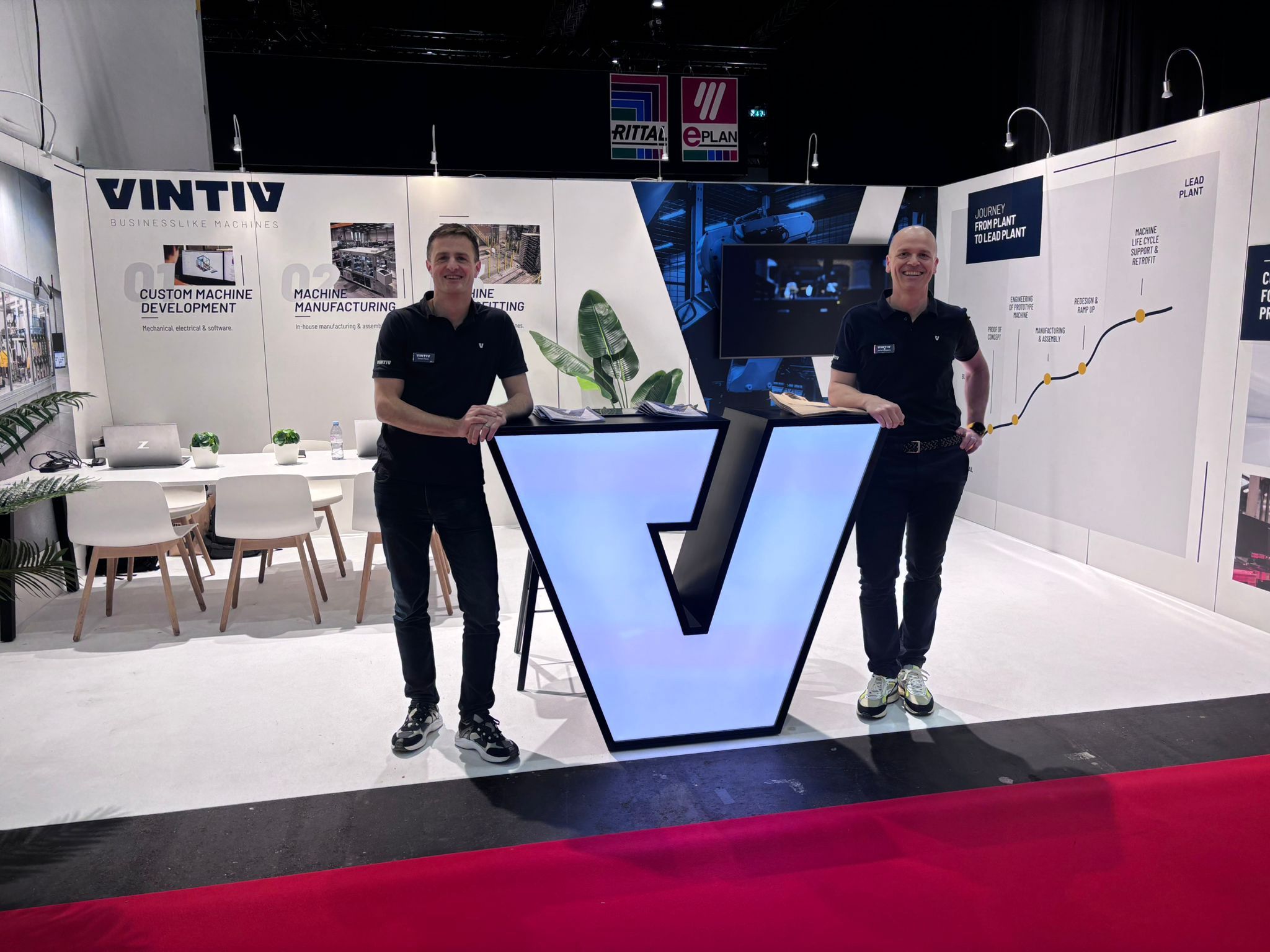


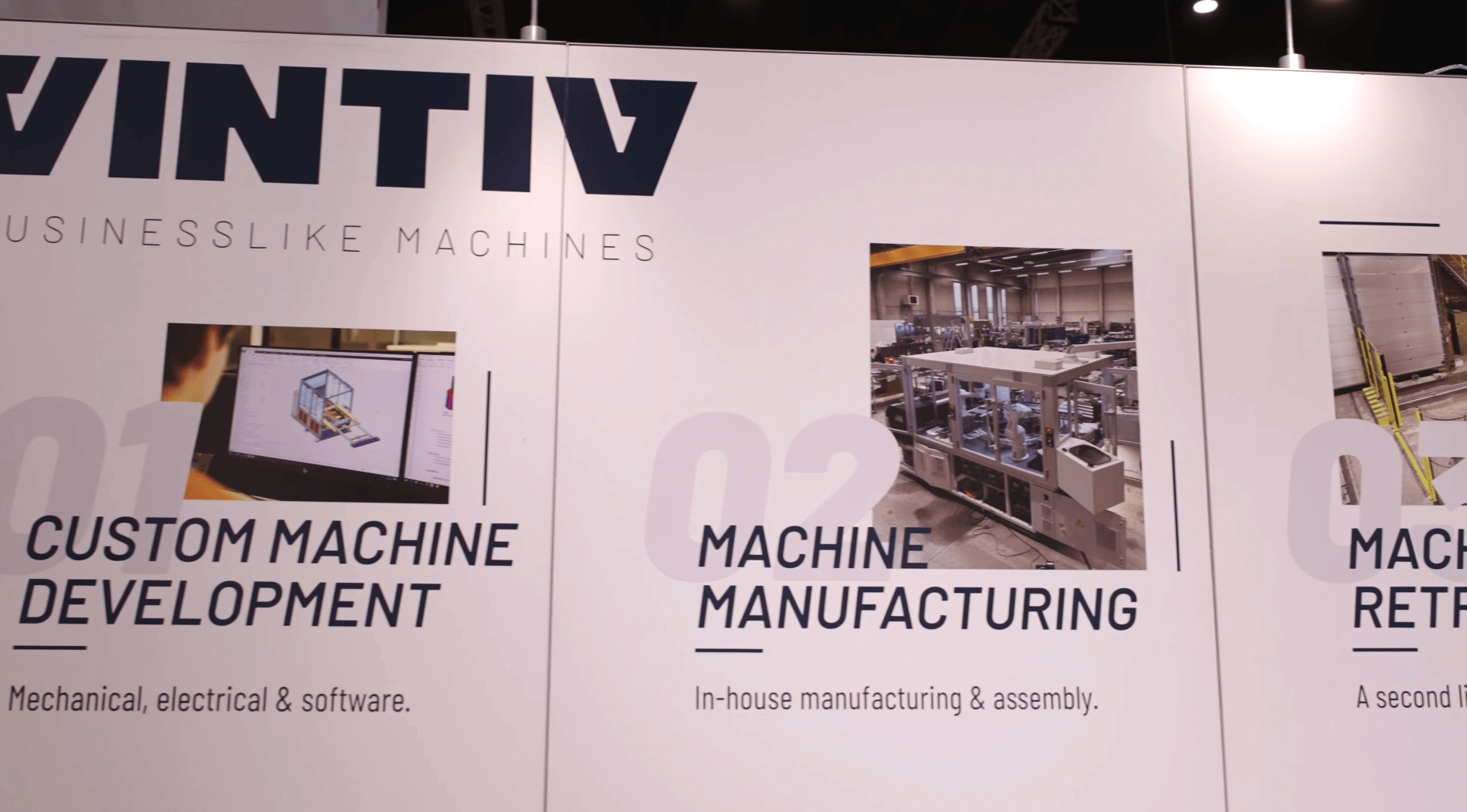
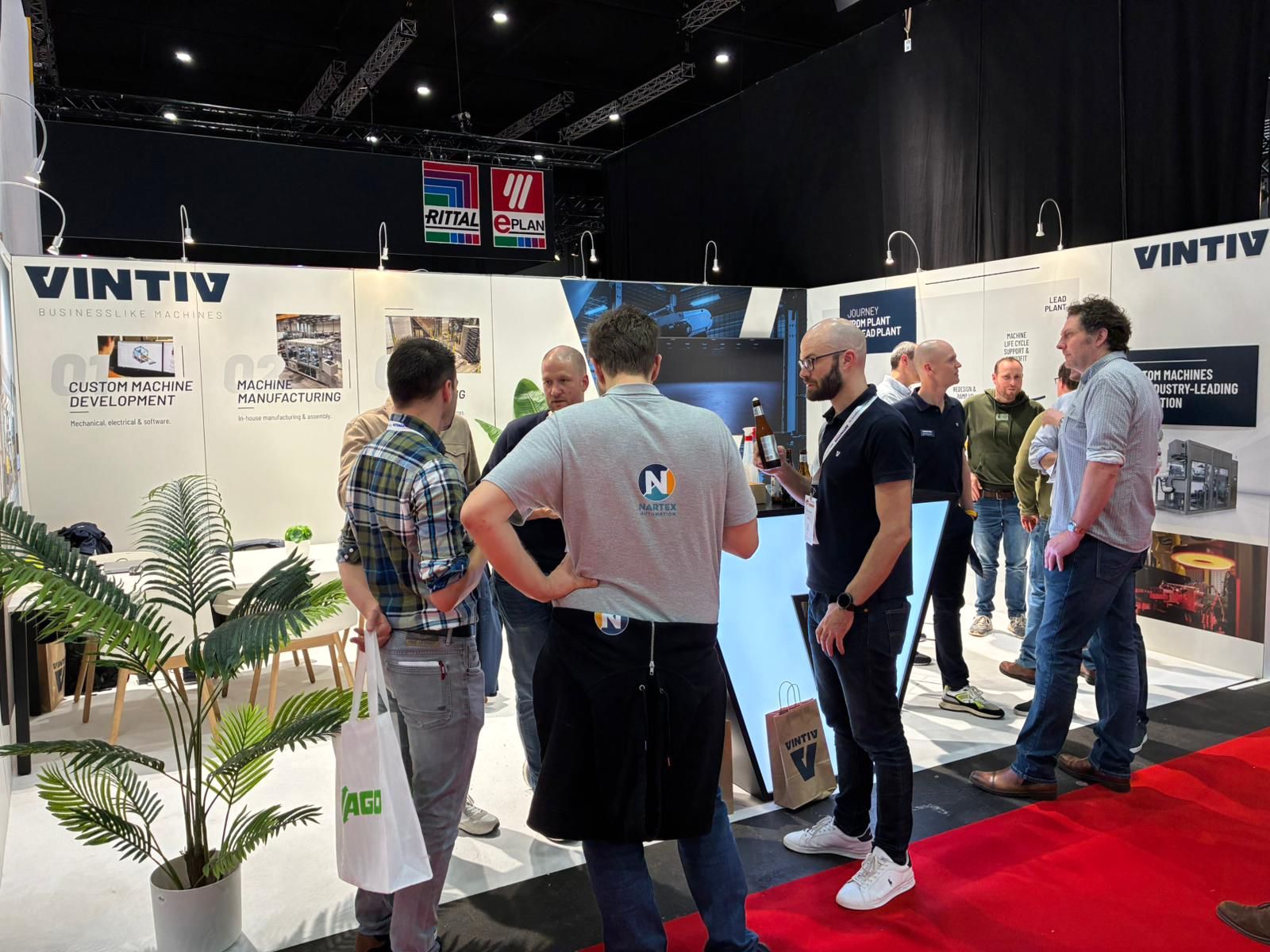
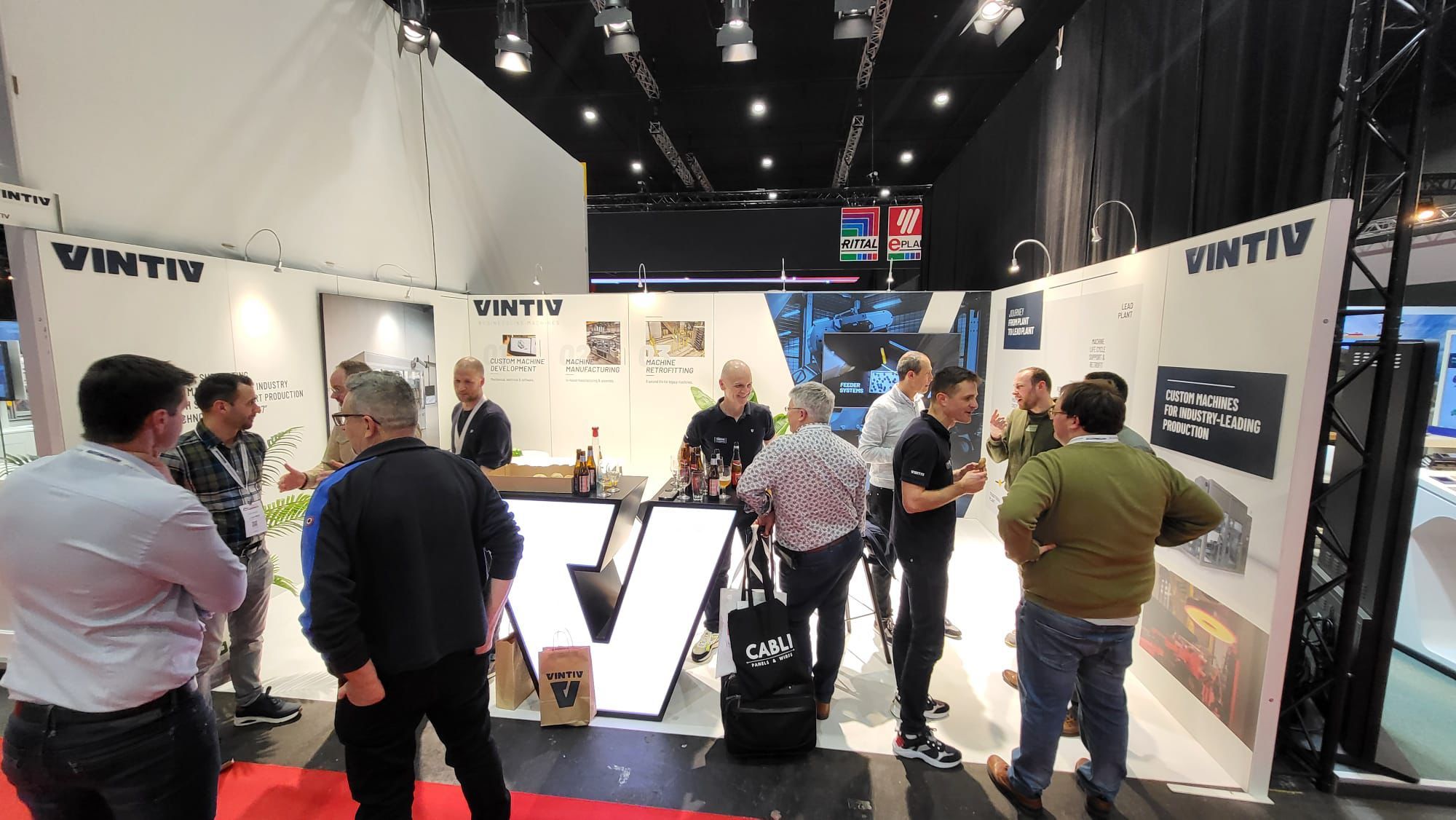
We help companies turn their product and process expertise into a competitive edge. We achieve this by anchoring their knowledge in high-tech custom machinery or by retrofitting existing installations into state-of-the-art production systems.
This is how production innovation becomes your company’s driving force.
Our Director Timen Floré shared this story on camera for the Indumation news team. The video is in Dutch, but you can find a summary below.
Timen Floré: “VINTIV develops and builds custom machinery and production lines for the manufacturing industry, focusing primarily on the European market. In addition to creating new machinery, we also specialize in upgrading existing production lines.”
Hand in hand
“Something we might have slightly forgotten—and what we at VINTIV have always championed—is that product innovation and production innovation go hand in hand. I believe we’ve lost sight of this as companies began outsourcing their production to other countries.”
“Developing a product is one thing, but you also need to be able to manufacture it competitively. That is exactly where VINTIV plays a key role.”
From proof of concept to prototype
“Innovation always involves risk. Since it hasn’t been done before, will it work? Is it technically feasible? What will it cost? These are the questions we answer with our roadmap.”
“That process starts with a business case analysis. This foundation allows us to quickly determine, based on our experience, if a case is technically viable and provide a cost estimate. If there is any doubt, we build a proof of concept to assess specific risks and eliminate uncertainties, ensuring the project’s success.”
“The subsequent steps involve moving from engineering toward a prototype, followed by scaling up and, eventually, retrofitting in the later stages of the lifecycle.”